

Why Diagnostic Tests Are Important For Your Pet
When your dog or cat has a health problem, our veterinarians at Onevet Porto Veterinary Hospital use a variety of techniques to get to the source of the issue.
Changes in body temperature, weight, appetite and energy level can signal a problem that requires further investigation. Sensitive areas of the body or the animal’s reluctance to put weight on their limbs may signal an issue that is not visible on the surface. In these cases, a veterinarian may advise one or more of a variety of tests that can provide information about what’s going on inside your pet’s body.
In some cases, you may not even suspect your pet has a problem, but a test will reveal a health issue in the early stages so that it can be treated before it becomes a more critical health problem.
Common Veterinary Diagnostic Tests
Onevet Porto Veterinary Hospital offers many different diagnostic tests such as:
- Digital radiography: generates sharper images than traditional x-ray machines with lower radiation emission and shorter exposure, which allows for an improvement in the speed and quality of the images. Digital radiography allows for the X-ray to be viewed on a computer immediately.
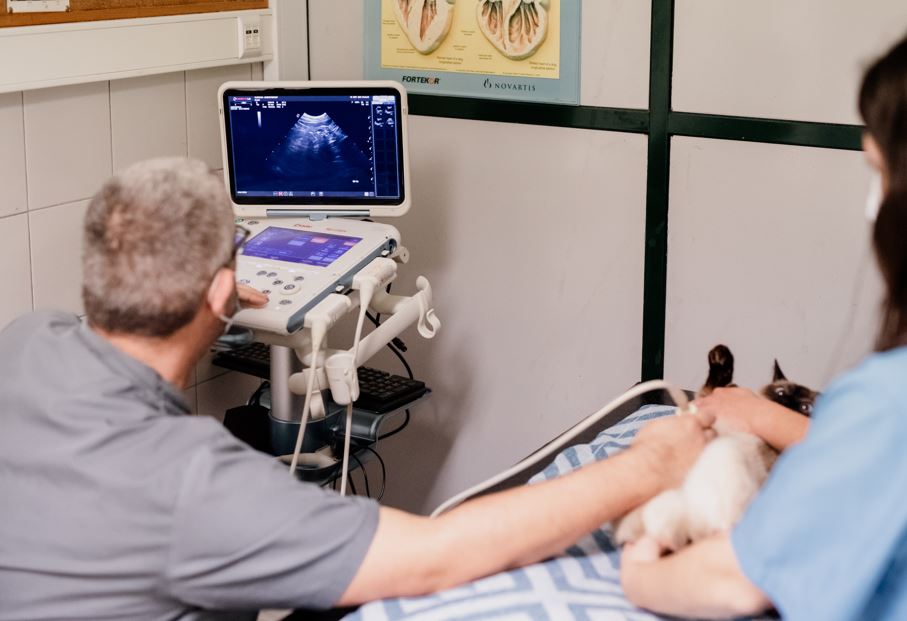
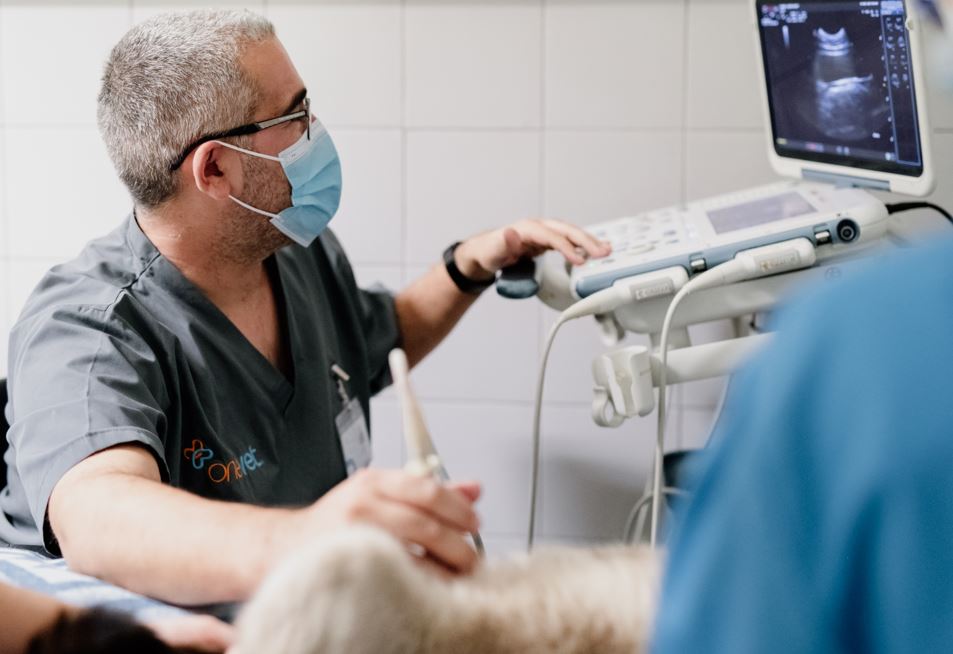
- Ultrasound scans: these make it possible to visualise lesions in organs and other disorders.
These tests are important tools that can help your veterinarian keep your cat or dog healthy throughout its life.
Computed Tomography (CT) and Magnetic Resonance Imaging (MRI)
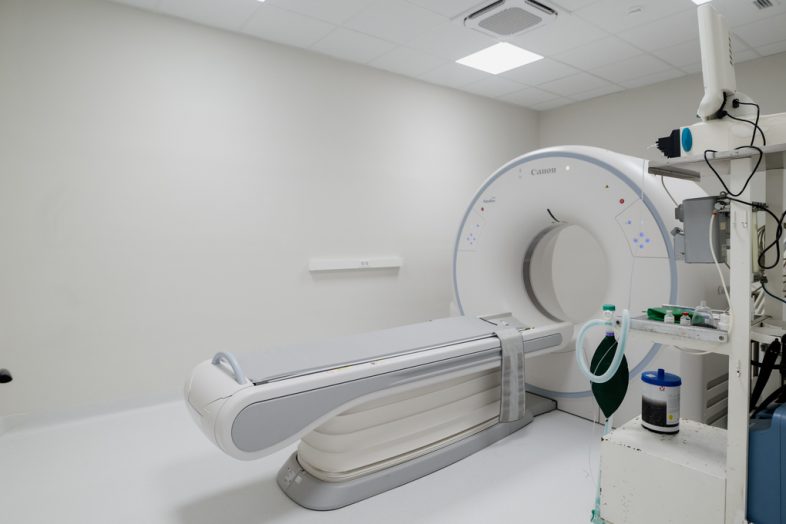
- Computed Tomography (CT) is an advanced diagnostic technology that produces high-definition images of the body’s interior in a matter of seconds. With its high precision, it is an essential tool for the rapid and detailed diagnosis of a wide range of medical conditions. At our hospital, CT is a vital examination in emergency situations, trauma cases, oncological assessments and surgical planning. It provides a complete view of bone structures and internal organs, contributing to safer and more effective clinical decisions. It is a quick, non-invasive examination performed under sedation or anaesthesia, ensuring total patient comfort and high diagnostic quality.
- Magnetic Resonance Imaging (MRI) is one of the most advanced imaging techniques in veterinary medicine, enabling an extremely detailed assessment of soft tissues without the use of radiation. It is considered the gold standard for examining the nervous system, the spine, joints and muscle tissue, and is essential for diagnosing neurological conditions. At our Hospital, MRI enables us to reach more accurate and rapid diagnoses, contributing directly to more effective and targeted treatments. The scan is performed under general anaesthesia, ensuring the animal remains completely still and comfortable throughout the procedure.